Best seller

Medical Monitors
Medical monitors are specialized display systems designed to meet strict clinical standards for diagnostic accuracy, surgical imaging, and patient vital sign tracking.Medical monitors differ significantly from consumer screens through automated DICOM calibration, higher luminance stability, and regulatory certifications.

Medical monitors broadly encompass two distinct categories in healthcare: vital signs patient monitors used at the bedside to track live patient health metrics, and medical-grade displays used by clinicians for diagnostics, surgery, and reviewing medical imaging.

Types of Medical Monitors
- Diagnostic Monitors: High-resolution primary displays (often 3 to 5 megapixels) used by radiologists to interpret X-rays, MRIs, and CT scans.
- Surgical Monitors: 2D and 3D 4K or Full HD screens designed for operating rooms to display real-time feeds from endoscopes and surgical cameras.
- Clinical Review Monitors: Secondary multi-tasking displays used in general wards or nurse stations for viewing patient records and basic imaging.
- Patient Vital Signs Monitors: Bedside or portable units tracking continuous heart rhythm, blood pressure, oxygen saturation, and respiration
Our featured products


Show next
Diagnostic Monitors

Autel AutoLink AL329 (Upgraded AL319) OBD II & CAN Diagnostic Tool
USD48.92
Compatible with domestic, Asian and European vehicles, 1996 and newer OBD II/EOBD compatible vehicles.
Retrieve generic (P0, P2, P3 and U0), manufacturer-specific (P1, P3 and U1) and pending codes. Retrieve vehicle identification information (Vin, calid and cvn).

ADC Diagnostix 720 Premium Professional Pocket Aneroid Sphygmomanometer
$62.2
Features our two-piece Adcuff, Adult size in Black (fits limbs 23-40cm). Includes zippered storage case.

GlucoNavii Blood Glucose Monitor Kit
$21.17
COMPLETE BLOOD SUGAR TEST KIT – Everything needed to start monitoring blood glucose levels in one convenient kit. Includes blood glucose monitor, test strips, lancets, lancing device and protective carrying case for daily diabetes management.
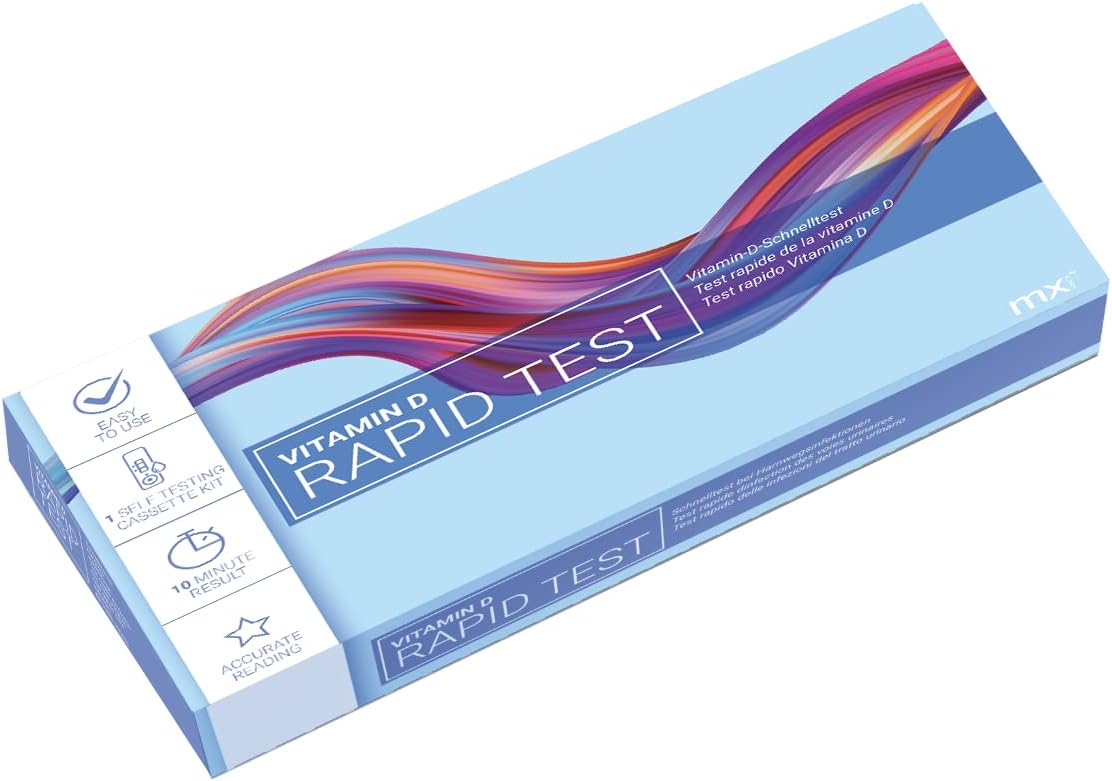
MX Health Vitamin D Rapid Test Cassette – Single Test, White
New £8.00
Self-testing cassette – individually wrapped
Results in 10 minutes
Accurate readings
Easy to use
For self-testing in vitro diagnostic use.

YNR Magnification Diagnostic Otoscope
$26.47
LED Direct Light, Ear Otoscope for Doctors, Nurses, Adults, Kids, Baby & Elder Pets Animals | (Black)

ADC Adscope 605 – Infant Clinician Stethoscope – Black
$54.45
HIGH ACOUSTIC SENSITIVITY: 7/8” [2,22 cm] diameter bell provides unsurpassed low-frequency response 1 1/8” [2,86 cm] diameter diaphragm for greater amplification

OMRON Complete Smart Home Blood Pressure Monitor
£205.59
£236.98
ECG for Hypertension Monitoring and AFib screening & OMRON Viva Bluetooth Smart Scale and Body Composition Monitor with Body Fat

OMRON Medium Cuff 22–32 cm for Upper Arm BP Monitors
New £16.33
Replacement medium cuff for compatible OMRON blood pressure monitors. This cuff is suitable for use on upper arms with a circumference of 22 – 32 cm